Could new technology actually create water at massive Millard County data center?A massive data center project taking shape just outside Delta i...
Published by Water Network Research, Official research team of The Water Network
Could new technology actually create water at massive Millard County data center?
A massive data center project taking shape just outside Delta in Millard County is testing a new approach to water use, with an executive claiming it may create thousands of acre-feet of water each year.
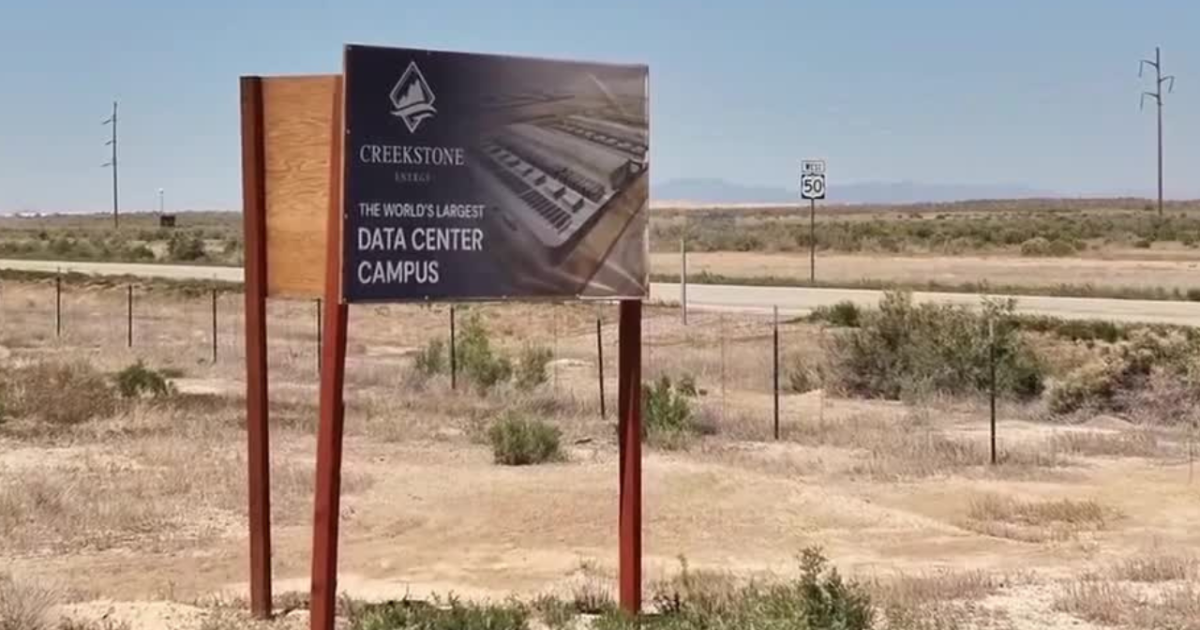
Creekstone Energy is developing what it describes as the world's largest data center campus, with plans for up to 10 gigawatts of power. The project is being built with its own energy resources, including natural gas, solar, and planned geothermal development.
But water remains a major concern for residents in one of Utah's most arid regions.
Creekstone CEO Ray Conley says the company is working with the University of Utah to study technology that could capture water produced during the natural-gas combustion process.
Conley compared the concept to the water droplets that can sometimes come from a car's tailpipe on a cold day. When natural gas is burned, the hydrogen in the gas combines with oxygen and creates water.
Cox pushes MIDA reforms after data center blowup:
Instead of allowing that water to escape with the hot exhaust gases, Conley explained how the company's concept would run those gases underground through a specially configured set of rocks, allowing the water to condense so it can be captured and reused.
The company estimates the process could create about 4,000 acre-feet of water per year if two gigawatts of electricity were generated using natural gas.
Conley said that is not water being “saved,” but water being created as part of the process. He compared the amount to filling a football field with water to a height of 4,000 feet.
Where that water could ultimately go has not yet been determined.
According to Conley, the answer will depend on the chemistry of the water, including how acidic it is. Agriculture would likely be the first potential use, with other industrial uses or even potable water possible if the water can be made sufficiently pure.
There is an important caveat: the technology has not yet been proven.
A massive data center project taking shape just outside Delta in Millard County is testing a new approach to water use, with an executive claiming it may create thousands of acre-feet of water each year.
Creekstone Energy is developing what it describes as the world's largest data center campus, with plans for up to 10 gigawatts of power. The project is being built with its own energy resources, including natural gas, solar, and planned geothermal development.
But water remains a major concern for residents in one of Utah's most arid regions.
Creekstone CEO Ray Conley says the company is working with the University of Utah to study technology that could capture water produced during the natural-gas combustion process.
Conley compared the concept to the water droplets that can sometimes come from a car's tailpipe on a cold day. When natural gas is burned, the hydrogen in the gas combines with oxygen and creates water.
Cox pushes MIDA reforms after data center blowup:
Instead of allowing that water to escape with the hot exhaust gases, Conley explained how the company's concept would run those gases underground through a specially configured set of rocks, allowing the water to condense so it can be captured and reused.
The company estimates the process could create about 4,000 acre-feet of water per year if two gigawatts of electricity were generated using natural gas.
Conley said that is not water being “saved,” but water being created as part of the process. He compared the amount to filling a football field with water to a height of 4,000 feet.
Where that water could ultimately go has not yet been determined.
According to Conley, the answer will depend on the chemistry of the water, including how acidic it is. Agriculture would likely be the first potential use, with other industrial uses or even potable water possible if the water can be made sufficiently pure.
There is an important caveat: the technology has not yet been proven.
Tags
- IT
- Water Resources
- Produced Water
- Produced Water From Oil & Gas Industry
- Utah, United States
- Water Special Projects,
- Domestic Water Use